


Drop Ceiling vs. Drywall Ceiling: Which Is Better for Your Property?
Friday, July 31, 2026
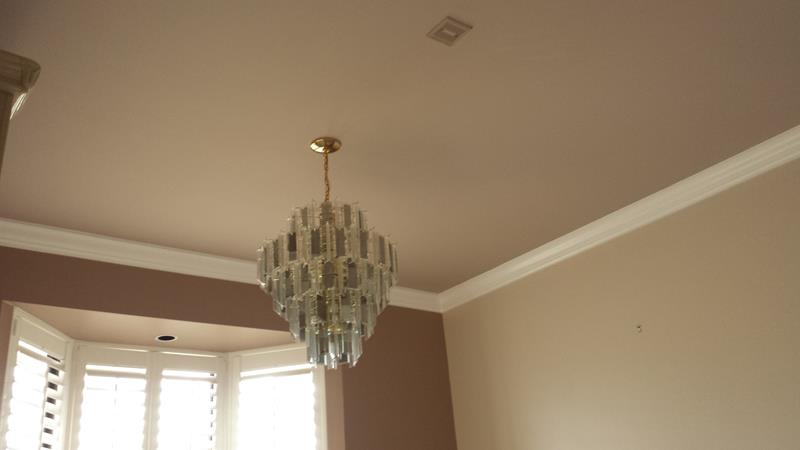
Choosing between a drop ceiling and a drywall ceiling affects how your rooms look, sound, and function. If you want simple access to plumbing, electrical, or AC lines, suspended ceiling installation can be the smarter long‑term move. Prefer a smooth, seamless look with strong resale appeal? A professionally finished drywall ceiling may be the best fit for your home in West Palm Beach.
What We Mean by “Drop Ceiling” and “Drywall Ceiling”
A drop ceiling, also called a suspended ceiling, uses a metal grid that hangs below your framing. Tiles or panels sit inside the grid, so you can lift one to reach what is above. A drywall ceiling is framed, sheeted with drywall, taped, finished, and painted. It looks continuous and can be textured or kept ultra smooth.
Both systems work well when installed by trained drywall pros. The right choice depends on ceiling height, what is above the room, how you use the space, and how much flexibility you want for future changes.
Benefits of a Drop Ceiling in West Palm Beach Homes
Drop ceilings shine in basements, utility spaces, and first‑floor rooms with lots of pipes or ductwork above. In neighborhoods from Flamingo Park to Northwood, many homeowners choose them for easy service access and sound control.
- Quick access for leak checks, valve swaps, and wiring upgrades
- Strong acoustic options that soften echoes in open rooms
- Simple tile swaps if a small area gets stained after a roof or AC drip
- Design flexibility with tile textures and grid finishes
Ceiling height is the main tradeoff. Tiles and grid typically lower the finish plane compared with drywall. If your room already feels tight, measure carefully and consider lighting that keeps the space bright and open.
Benefits of a Drywall Ceiling in West Palm Beach Homes
Drywall offers that clean, continuous surface many buyers expect. It pairs well with crown, recessed lighting, and modern paint schemes you see from El Cid to SoSo.
- Sleek, seamless finish that elevates living areas and primary suites
- Strong perceived value during resale showings and photos
- Easy to paint for style updates and color shifts
- Works with textures like knockdown or keeps a glass‑smooth look
Access is the tradeoff. Future plumbing or electrical work means cutting and refinishing small sections. Plan access panels where you know you will need them, like under upstairs bathrooms or air handlers.
What Matters Most in Our Climate
West Palm Beach heat and humidity shape how ceilings age and how finishes cure. Joint compound and primers need proper dry and cure windows so seams do not flash under light. If a past AC drip or storm left a stain, pros will check for moisture and stability before closing a ceiling. For a deeper look at how pros decide when to patch or replace after leaks, see our plain‑English guide on repairs versus replacement after water damage.
Local tip: During summer rainy season, indoor humidity rises and can slow curing for ceiling finishes. Ask your crew to plan airflow and dehumidification so paint levels out cleanly and seams do not show under morning and evening light.
Design, Lighting, and Acoustics
Light reveals everything on a ceiling. Drywall looks crisp under recessed cans or statement pendants. If your living room faces bright coastal sun, a matte ceiling reduces glare and hides minor waves. Drop ceilings can improve comfort in echo‑prone spaces like playrooms and home offices with the right acoustic tile. If style is your first priority, explore ideas like beams, coffers, or tile patterns. You can also browse options for custom ceilings that blend function with design.
Where Each Ceiling Type Makes Sense
Think about how the room works day to day, and what sits above it. These examples are common across single‑family homes and condos near the Intracoastal and downtown:
Choose a drop ceiling if the room sits under bathrooms or laundry, you expect future mechanical changes, or you want better sound control while working from home. The ability to lift a tile for quick checks saves time and keeps surprises small.
Choose a drywall ceiling if the room is a main living area, you want a smooth designer look, and you rarely need access above. Good planning can add a discrete access panel near shut‑offs or junctions so future service stays simple.
Noise, Energy, and Everyday Comfort
Acoustic tiles in a drop system absorb sound, which helps in open plans and hard‑surface kitchens. Drywall ceilings reflect more sound, but insulation and selective acoustic treatments balance that out. Either choice can support energy comfort when attic insulation and duct sealing are handled correctly. In older homes west of I‑95, pairing a new ceiling with basic air sealing often yields the biggest comfort gain.
Height, Proportions, and Sightlines
Ceiling height changes how a room feels. A drop ceiling lowers the plane, which can help hide uneven framing and make lighting layouts tidy. Drywall keeps the room as tall as framing allows. If ductwork dips in one zone, a skilled installer can step or soffit a drywall ceiling so proportions stay balanced and sightlines feel clean.
Materials, Maintenance, and Longevity
Today’s acoustic tiles resist sagging and offer wipeable finishes for kitchens and family rooms. Damaged tiles are easy to replace. Drywall holds up well when finished and painted correctly, and touch‑ups are simple after small nicks or fixture swaps. After any leak or condensation issue, act fast and verify the area is dry before refinishing. Painting over a damp stain traps moisture and often brings the ring back later.
Condos, Townhomes, and Historic Properties
Many condos along Flagler and in downtown towers limit noise and dust during certain hours. A drop system can reduce disruption when access above the ceiling is needed by building staff. Historic homes in Flamingo Park or Prospect Park often benefit from drywall to keep details period‑correct, with carefully placed access panels near valves and junctions.
How to Make a Confident Decision
Start with your goals. If you value flexibility and fast access above the ceiling, consider suspended ceiling installation. If your priority is a sleek, continuous finish and strong resale photos, drywall is a great match. Either way, plan lighting early, confirm any access needs, and time finishing around our humid season for best results.
You can also skim our site for baseline choices and vocabulary. A quick stop at the homepage under suspended ceiling installation helps you compare options so conversations move faster when we visit your space.
Small but Important Best Practices
Protect the room properly. Good containment keeps dust off furniture and returns the space to normal faster. Match the finish to the light. Rooms with raking window light need wider blends and care under paint. Think a step ahead. If you plan a future bath remodel upstairs, build in the access you will want later. These little choices make ceilings look better and last longer in West Palm Beach’s bright, coastal light.
Ready for a Ceiling That Fits Your Life?
If you want a ceiling that looks great and works hard day after day, talk with Castle Rock Drywall. Our drywall team designs, installs, and finishes ceilings that fit your space, climate, and schedule. Call us at 561-574-4747 and we will help you plan the right path.
When you are ready to take the next step, book your project with our local pros and get a clean result that holds up through summer humidity and holiday hosting. Start here and choose a ceiling with confidence: suspended ceiling installation.