


Water-Damaged Drywall: Repair vs Replace (And How We Decide)
Wednesday, April 15, 2026
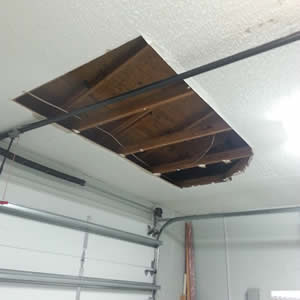
When water hits your walls or ceilings, the big question is simple: can it be saved or does it need new drywall? This guide explains how our Palm Beach team evaluates water-damaged drywall repair step by step, so you know what to expect and why. If you already see bubbling paint, soft spots, or a spreading ceiling stain, our drywall repairs page shows what we fix every day across the island.
How Water-Damaged Drywall Fails In Our Climate
Palm Beach homes face coastal humidity, summer thunderstorms, and the occasional tropical system. Drywall is a paper-faced material. When it gets wet, the paper layer wicks water, fasteners can rust, and the gypsum core can swell. In the North End or South End, ocean air keeps humidity high, so materials dry slower than they do inland.
Think of drywall like a sponge wrapped in paper. If the sponge only got damp briefly and then dried, you may be fine. If it stayed soaked, the structure weakens and may hide trouble behind the paint. In humid weather, hidden moisture can survive behind “dry to the touch” surfaces.
Wet Drywall Signs We Look For
Some warning signs are obvious. Others show up only at certain angles or lighting. During a professional assessment, we look for patterns, not just one clue.
- Brown or yellow rings that expand after rain or AC cycles
- Soft, spongy texture or crumbling edges at seams and cutouts
- Bubbling paint, peeling tape, or raised nail pops
- Musty odors near baseboards, around window returns, or at ceiling penetrations
- Hairline cracks that turn into sags on ceilings under flat roofs
We also check adjacent rooms. A leak in an upstairs bath can mark the ceiling below in Midtown, while the wall behind a vanity stays wet but looks normal from the front. Moisture meters and small, strategic test cuts confirm what the surface hides.
Mold Risk Timeline In Palm Beach Homes
Florida humidity puts you on the clock. Even clean water can lead to mold if it lingers in paper-faced materials. The sooner the source is fixed and the area is dried by a pro, the better the odds that a repair is possible.
- First hours: moisture moves across paper facing and seams
- 24–48 hours: conditions often become friendly to mold in warm, stagnant air
- After 48 hours: risk increases, and removal becomes more likely, especially in closed cavities
Replace drywall that stayed wet longer than 48 hours. That choice protects indoor air and prevents future callbacks. Our team documents what we find so you have a clear record of the condition and next steps.
Repair vs Replace: How We Decide Step by Step
Every decision starts with the source and the timeline. We verify that the leak is stopped and the materials inside the wall or ceiling can dry to normal levels. Then we examine how deep water traveled and whether the board lost strength.
When a Targeted Repair Makes Sense
We recommend a repair when damage is small, isolated, and verified dry. That might be a brief AC condensate drip that left a coin-sized stain, or a pinhole leak caught quickly in a South End condo. A typical repair involves removing the affected section, confirming moisture readings, sealing stains, and blending texture so the patch disappears. If you want a sense of how scheduling works in our climate, this drywall repair timeline walks through common time windows for each step.
When Full Replacement Is the Safer Choice
We recommend replacing entire panels when drywall is swollen, sagging, crumbling, or when mold is present. This gives access to insulation, wiring, and framing for a full inspection and proper dry-down. On ceilings, we look closely at seams under flat roofs or over second-floor baths. Any sagging ceiling is a safety issue. To see where this fits into restoration work, review our overview of water damage repairs and how we stabilize affected rooms before finishing.
Ceiling Water Stains: Stain Only or Hidden Damage?
Ceiling stains in Palm Beach often come from roof flashing, AC air handlers, or plumbing in upstairs baths. The size of the ring does not always equal the size of the problem. We test edges for softness, check for separation along seams, and study the pattern under light. If the board is sound and moisture reads normal, we may cut out a tight area and blend texture to match your existing finish. If the stain returns or spreads after a rain, there is still moisture inside.
Do not paint over a water stain before the source is fixed. Paint locks in discoloration and can trap odor. It also masks early warning signs that help you catch a leak while it is still small.
Our Local Assessment Checklist
Every Palm Beach home is a little different. Older island homes, condos along South Ocean Boulevard, and newer builds west of Lake Worth Lagoon each have details that change the call. During your visit, our technician will work through a clear checklist:
- Confirm the source is stopped and drying conditions are stable
- Check fasteners for rust bleed and paper facing for delamination
- Measure moisture in the drywall core and adjacent framing
- Probe seams and corners where water tends to track
- Evaluate ceiling spans for deflection, especially near skylights and flat roofs
- Decide on targeted repair or full panel replacement based on strength and hygiene
What Happens After The Decision
If a repair is right, we cut past the last sign of damage, install a tight patch, tape and mud, then prime and texture for a seamless look. When replacement is needed, we remove full sheets back to clean edges, address any affected insulation, and prep the cavity so the new board stays dry and stable. We use blends that work in bright Palm Beach rooms where light rakes across smooth surfaces and shows every bump.
When the structure is secure and dry, we seal stains with the right primer and match existing textures like knockdown or orange peel. If your space uses a custom ceiling texture, our finishers test in a small area to lock in the height and pattern before they blend across the repair. For everyday patching and finishing details, our West Palm Beach page on drywall repairs explains common surfaces we restore.
How We Protect Your Home During Work
Protection matters as much as the patch. We isolate the area with covers and dust control, remove waste daily, and leave pathways clean for you and your guests. In humid months, we coordinate AC and airflow to support proper curing. That care helps prevent flashing, keeps odors down, and speeds the return to normal.
Why Choose Castle Rock Drywall Co In Palm Beach
Homes near the ocean need a contractor who understands how moisture travels through real rooms, not just on paper. We have years of experience matching finishes in Midtown, keeping dust down in high-rise condos, and tracking leaks that only show up after summer storms. Our drywall repair team uses moisture readings, careful inspection, and clean blends so the wall looks right the first time and stays that way.
When water finds drywall, you deserve a clear answer. We explain what we see, show you the readings, and put the plan in plain English. If your project involves wider restoration, our crews coordinate with drying and remediation steps so work moves in the right order and your finish lasts.
When We Say Repair vs Replace, Here Is What We Mean
Repair means a localized cutout with full dry-down, stain sealing, and a texture and paint-ready surface that blends. Replace means full-panel removal to sound edges, cavity checks, and a fresh start that protects indoor air quality. We always choose the option that keeps your home safe and looking great months from now, not just the day we leave.
Ready To Restore Your Walls?
If you notice wet drywall signs or a fresh ceiling ring after a storm, we can help you move from worry to a clean, finished surface. For larger losses or repeat leaks, learn how we stabilize and rebuild on our page for water damage repairs. If you are comparing options and need straight answers, call Castle Rock Drywall Co at 561-574-4747 or start here. Many neighbors begin at our home page because it covers water damaged drywall repair along with other services we provide across Palm Beach.